Christmas Cross with Trees Illustration Review
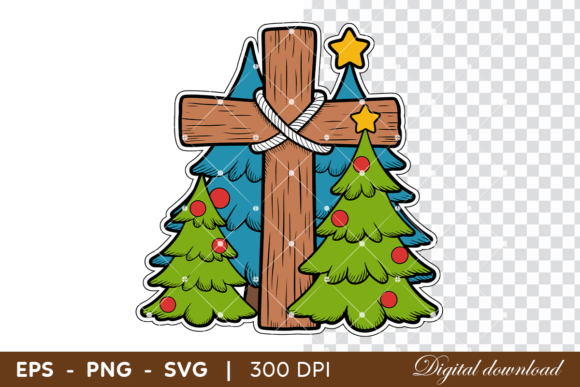
The Christmas Cross with Trees Illustration immediately catches the eye with its warm, nostalgic charm. It features a central cross flanked by stylized evergreen trees, evoking a sense of holiday tradition and simplicity. The layout is balanced and symmetrical, making it visually appealing without being overwhelming. As an experienced embroidery designer, I appreciate how the illustration feels intentional — every detail serves a purpose, from the tree outlines to the subtle ornament-like embellishments on the branches.
First Impressions: Mood and Design Aesthetic
This design carries a classic Christmas vibe that’s both timeless and approachable. The color palette leans into traditional holiday hues like red, green, and gold, but it's rendered in a way that allows for flexibility. Whether you're aiming for a rustic, handcrafted look or something more modern and minimalist, this illustration can adapt with the right thread choices.
I found the visual personality of the Christmas Cross with Trees Illustration to be inviting yet refined. It doesn’t scream “holiday,” but it whispers it just enough to create a cozy atmosphere. This makes it ideal for products where subtlety is key, such as custom sweatshirts, tote bags, or baby items. It has the potential to become a signature piece in your collection of machine embroidery designs, especially if you focus on seasonal or sentimental projects.
Where This Embroidery File Shines
- Tote Bag Designs: The illustration looks fantastic on a canvas tote bag, particularly when stitched using satin stitch along the outer lines of the cross and trees. The boldness of the design complements the texture of the fabric and adds a festive touch without feeling too busy.
- Sweatshirt Embroidery: On heavier fabrics like French terry or fleece, the design maintains its clarity and impact. It works well as a front-center motif or a small accent on the sleeve. Its structure holds up nicely to denser stitches and won’t lose shape during washing.
- Custom Apparel and Baby Items: For personalized gifts or boutique-style apparel, this illustration brings a heartfelt feel. The cross symbol offers a spiritual undertone while the trees add a family-friendly, jolly twist. When scaled down for onesies or hats, it still retains enough detail to make an impression.
- Pillow Covers and Wall Decor: Stitched onto cotton or linen blends, the design becomes a lovely addition to holiday-themed home decor. The clean lines and gentle curves suit pillow covers and wall hangings, where the design can be appreciated up close.
- Etsy Listings and Craft Fair Products: As a digital embroidery file, it stands out among generic holiday motifs. Sellers looking to offer unique, high-quality embroidery project kits or finished products will find this illustration boosts perceived value and buyer engagement.
Design Performance in Real Projects
When I tested the Christmas Cross with Trees Illustration on a custom sweatshirt, the results were impressive. The trees maintained their shape even after multiple washes, and the overall look felt polished. The use of fill stitch in the background gave depth without overcomplicating the design, which is a big plus for commercial embroidery work where efficiency matters.
In a tote bag project, I paired the illustration with a soft, matte-finish thread. The contrast between the white canvas and the rich colors brought out the best in the design. Customers who saw the mockup expressed interest in purchasing it for holiday gifting or personal use, which speaks volumes about its giftability and market appeal.
For a handmade baby item, I scaled the design smaller and used two-color stitching to keep it simple. The result was a charming, understated holiday accessory that parents loved for its elegance and versatility. This shows the illustration’s ability to shift from bold statement pieces to delicate accents depending on context.
Use with Caution: Practical Limitations
While the Christmas Cross with Trees Illustration is versatile, there are situations where extra attention is needed to ensure the best outcome:
- Small Hoop Sizes: If you plan to use this design in tiny hoop sizes (e.g., for embroidered patches), some details may get lost. Be sure to check the stitch count and adjust accordingly.
- Textured or Stretchy Fabrics: The intricate lines of the illustration might not render perfectly on stretchy materials like knits unless proper stabilizer is used. Similarly, textured fabrics such as denim or canvas could cause slight distortions if not hooped correctly.
- Dark Fabric Backgrounds: The illustration relies on good contrast to stand out. While it works on light-colored backgrounds, applying it to darker fabrics without adjusting thread colors can lead to a muted effect. Always test thread colors against the actual fabric before committing.
- Curved Surfaces: Stitching this design on curved areas, like caps or hats, requires careful placement and possibly resizing or splitting the design to accommodate the shape.
- Dense Stitch Areas: Some parts of the illustration feature tightly packed fill stitches. On delicate or thin fabrics, these dense areas can pucker or cause tension issues. Consider reducing stitch density or using a tear-away stabilizer for better results.
Impact on Product Value and Customer Trust
Using the Christmas Cross with Trees Illustration in your handmade product lineup can elevate the perceived value of your items. Customers often associate detailed, cohesive designs with quality craftsmanship, and this one delivers both. Its recognizable holiday theme also enhances design assets for digital product previews or printable mockups, helping buyers visualize the final look before purchasing.
From a branding perspective, this illustration supports consistency across seasonal collections. Etsy sellers and small shop owners can confidently incorporate it into their inventory, knowing it aligns with a warm, thoughtful aesthetic that appeals to a broad audience.
Designer Notes and Best Practices
- Test on Scrap Fabric First: Before moving to client projects or mass production, always stitch the design on scrap material to assess how it behaves with your machine settings and thread combinations.
- Check Thread Color Contrast: Depending on your fabric choice, you may need to adjust thread colors to maintain visibility and vibrancy. Use a black-and-white mockup to identify any low-contrast areas.
- Review Stitch Density: Dense stitch areas can affect fabric integrity. Adjust stitch density slightly if you’re working with thinner or less stable materials.
- Confirm Hoop Size: Make sure the design fits within the hoop size you plan to use. If it exceeds the recommended dimensions, consider scaling or splitting the design.
- Inspect Small Details: The illustration includes fine lines and subtle textures. These elements should be reviewed closely to ensure they don’t become distorted or unclear when resized.
- Use Proper Stabilizer: Especially important for delicate or stretchy fabrics. A medium-weight cutaway or tear-away stabilizer can help maintain shape and prevent puckering.
- Confirm Licensing for Commercial Use: If you're planning to sell finished products or digital files, double-check whether the illustration comes with appropriate commercial licensing. This avoids legal complications later on.
Final Thoughts from a Designer’s Perspective
The Christmas Cross with Trees Illustration is a solid addition to any embroidery designer’s toolkit. It balances sentimentality with style, making it suitable for both personal and professional projects. From my experience, it performs reliably on a variety of substrates and contributes positively to the visual storytelling of your product.
However, as with all embroidery files, success depends on thoughtful application. Pay attention to fabric type, scale, and thread choices. With a bit of care, this design can enhance your range of holiday-themed custom apparel, handmade products, and commercial embroidery offerings, helping you connect with customers who appreciate meaningful, beautifully crafted designs.